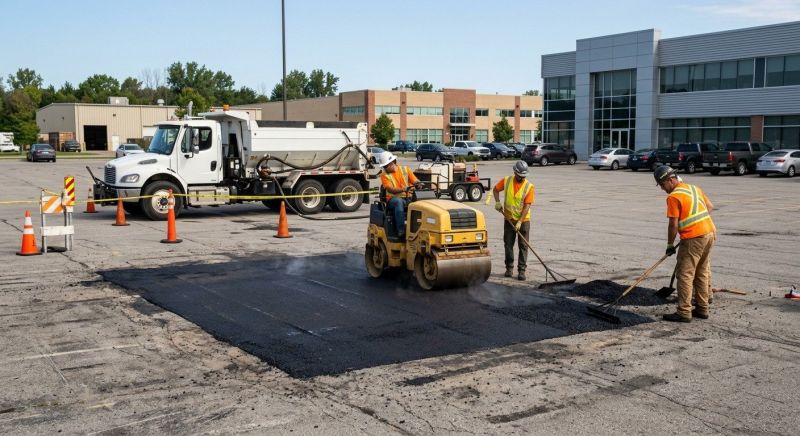
Commercial Pavement Repair in Little Rock, AR
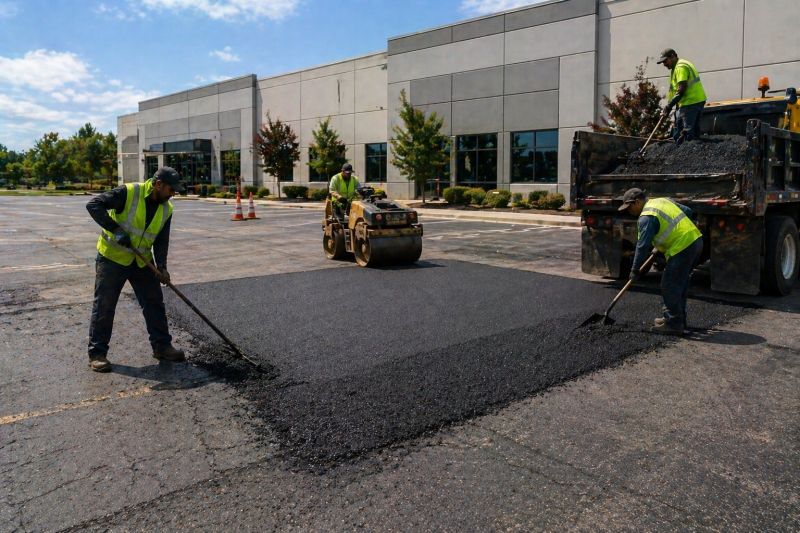
Commercial pavement repair services address the maintenance and restoration of asphalt surfaces on commercial properties, including parking lots, driveways, and access roads. These projects typically involve fixing potholes, cracks, and surface deterioration to ensure safety, improve appearance, and extend the lifespan of the pavement. Property owners often seek these services to prevent further damage, comply with safety standards, and maintain a professional appearance for customers and visitors.
Before requesting pavement repair, property owners usually want to understand the scope of work needed, the types of repairs suitable for their specific surface conditions, and the materials used in the process. It’s also common to inquire about the overall durability of the repairs, the potential impact on daily operations, and any preparation required prior to the work. Clear communication about these aspects helps ensure the repair process aligns with the property’s needs and expectations.
Many property owners in Little Rock, AR look into Commercial Pavement Repair for repairs, replacements, upgrades, and appearance-related improvements.
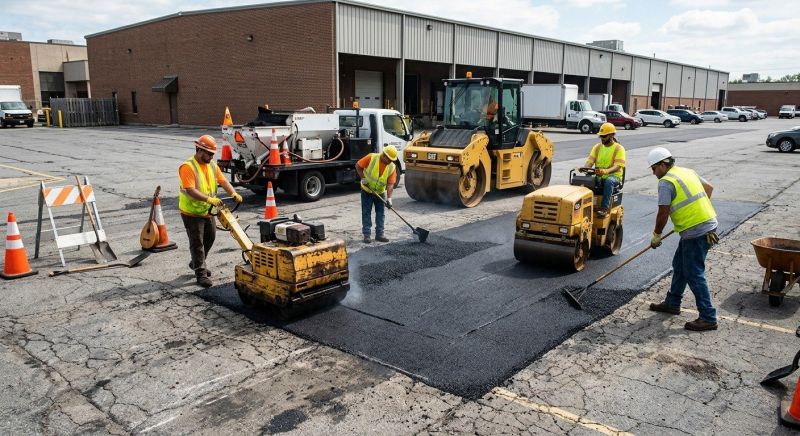
Pavement Crack Repair
Addressing cracks helps prevent further damage and extends the lifespan of parking lots and driveways.
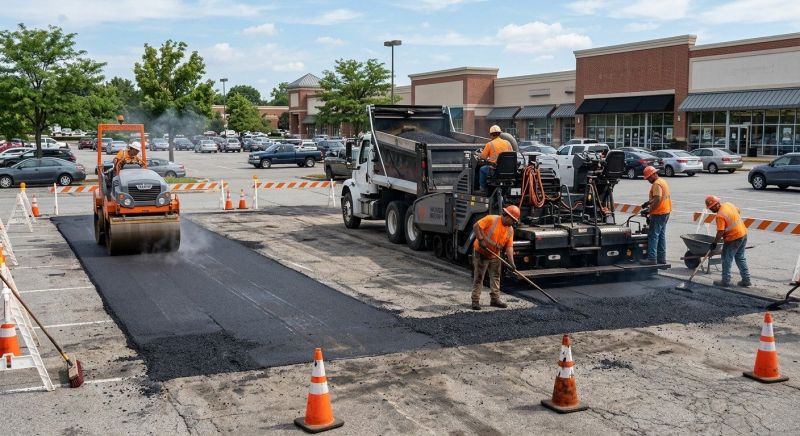
Surface Resurfacing & Patching
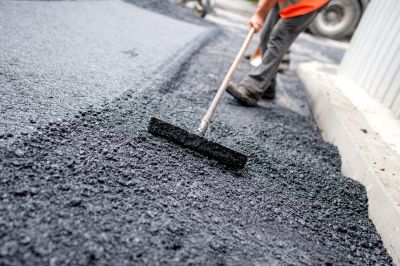
Resurfacing involves restoring smoothness and safety for commercial and residential pavement areas.
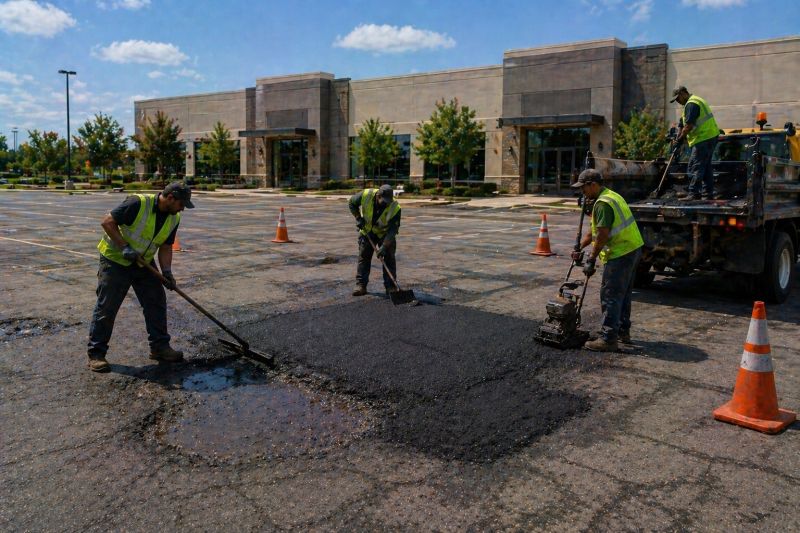
Sealcoating & Maintenance
Proper sealing protects pavement from water penetration and wear, maintaining a professional appearance.
Commercial Pavement Repair in Little Rock, AR

Commercial pavement repair services address the maintenance and restoration of asphalt surfaces on commercial properties, including parking lots, driveways, and access roads. These projects typically involve fixing potholes, cracks, and surface deterioration to ensure safety, improve appearance, and extend the lifespan of the pavement. Property owners often seek these services to prevent further damage, comply with safety standards, and maintain a professional appearance for customers and visitors.
Before requesting pavement repair, property owners usually want to understand the scope of work needed, the types of repairs suitable for their specific surface conditions, and the materials used in the process. It’s also common to inquire about the overall durability of the repairs, the potential impact on daily operations, and any preparation required prior to the work. Clear communication about these aspects helps ensure the repair process aligns with the property’s needs and expectations.
Many property owners in Little Rock, AR look into Commercial Pavement Repair for repairs, replacements, upgrades, and appearance-related improvements.
Common Commercial Pavement Repair Jobs
Crack filling - filling in surface cracks to prevent further deterioration.
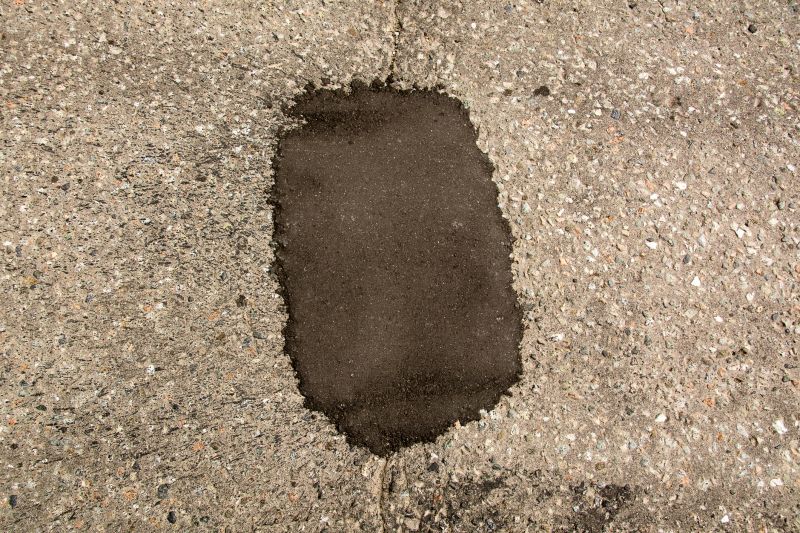
Pothole repair - restoring smoothness and safety by fixing potholes quickly.
Surface patching - repairing damaged pavement areas to extend lifespan.
Sealcoating - applying protective coating to shield pavement from weather and wear.
Joint and edge repair - fixing pavement edges and joints to prevent cracking and shifting.
Surface leveling - smoothing uneven areas for improved safety and appearance.
Commercial Pavement Repair Questions
What types of pavement repairs are common for commercial properties? Common repairs include crack filling, pothole patching, and surface sealing to maintain safety and appearance.
How can pavement damage affect a commercial property? Damaged pavement can lead to safety hazards, reduce curb appeal, and potentially impact property value.
What signs indicate that pavement needs repair? Visible cracks, potholes, uneven surfaces, and water pooling are signs that repairs may be necessary.
Why is regular maintenance important for commercial pavement? Regular upkeep helps prevent major damage, extends pavement lifespan, and maintains a professional appearance.
Request Commercial Pavement Repair in Little Rock, AR
Use the quote form on this page to share the basics of your project and request more information for the type of work you need.